

Usually for several years, and often for a decade or more, though there is no single number. A white filling in a small cavity on a tooth you look after can last a very long time. A large one on a back tooth that takes heavy chewing, or in someone who grinds at night, will wear faster.
That is why you will see such different figures quoted. According to the University of Bristol Dental School, a composite filling can last 5 to 7 years, and in some instances 10 years or more. Bupa puts the figure for composite at around 12 to 15 years. The gap between those numbers tells you something useful: the material is only part of the story. The tooth, the filling and the person all play a part.
What a white filling actually is
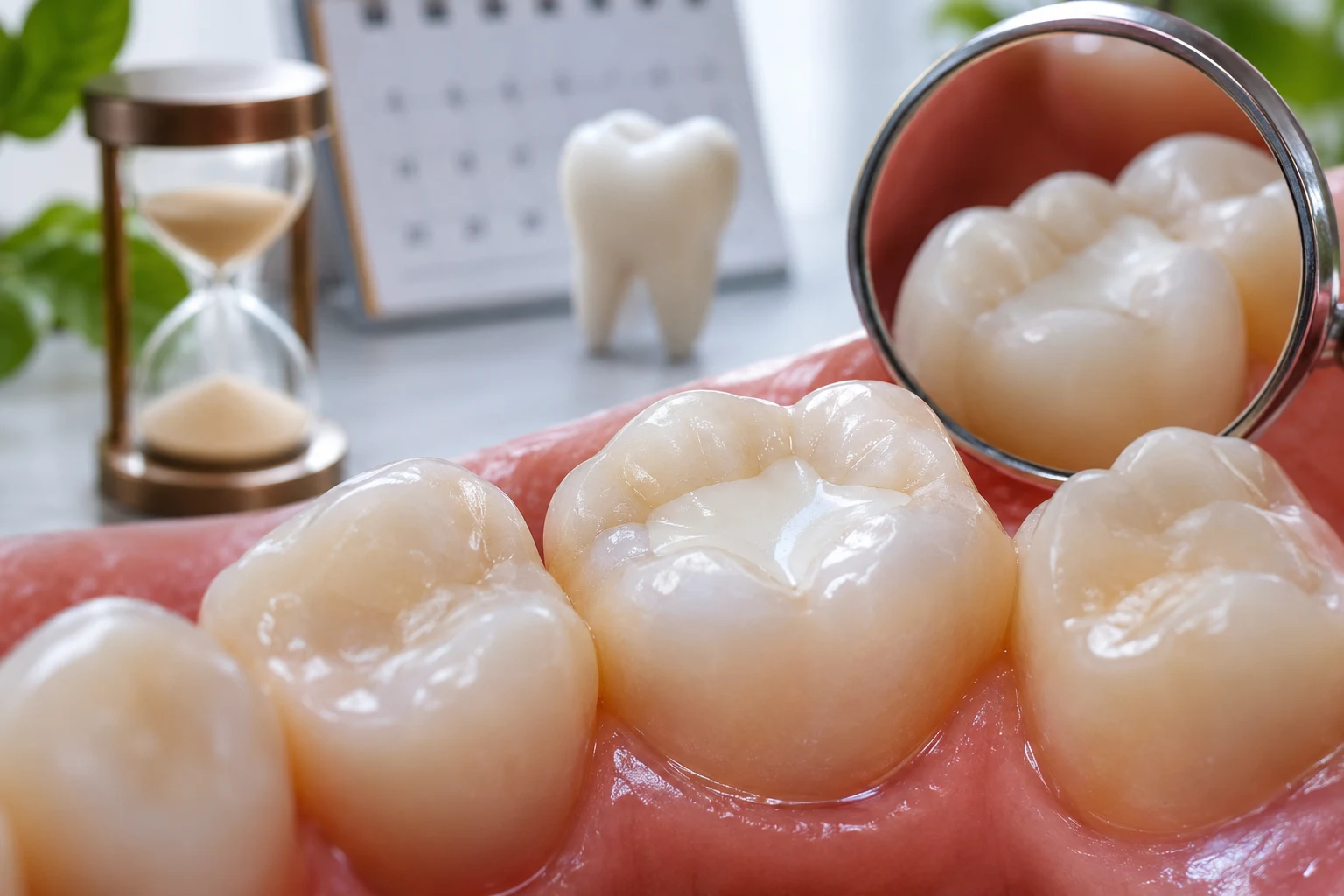
White fillings are made from composite resin, a tooth coloured, metal free material that is bonded straight onto the tooth. Unlike old silver fillings, which are held in by shaping the cavity, a white filling is stuck to the tooth, which means we can often keep more of your own tooth. They are used to treat decay, repair chips and replace worn or visible silver fillings, and they blend in so they are hard to spot. If you are weighing it up, our white fillings service covers how they are placed and who they suit.
What shortens or extends a filling's life
The size of the filling
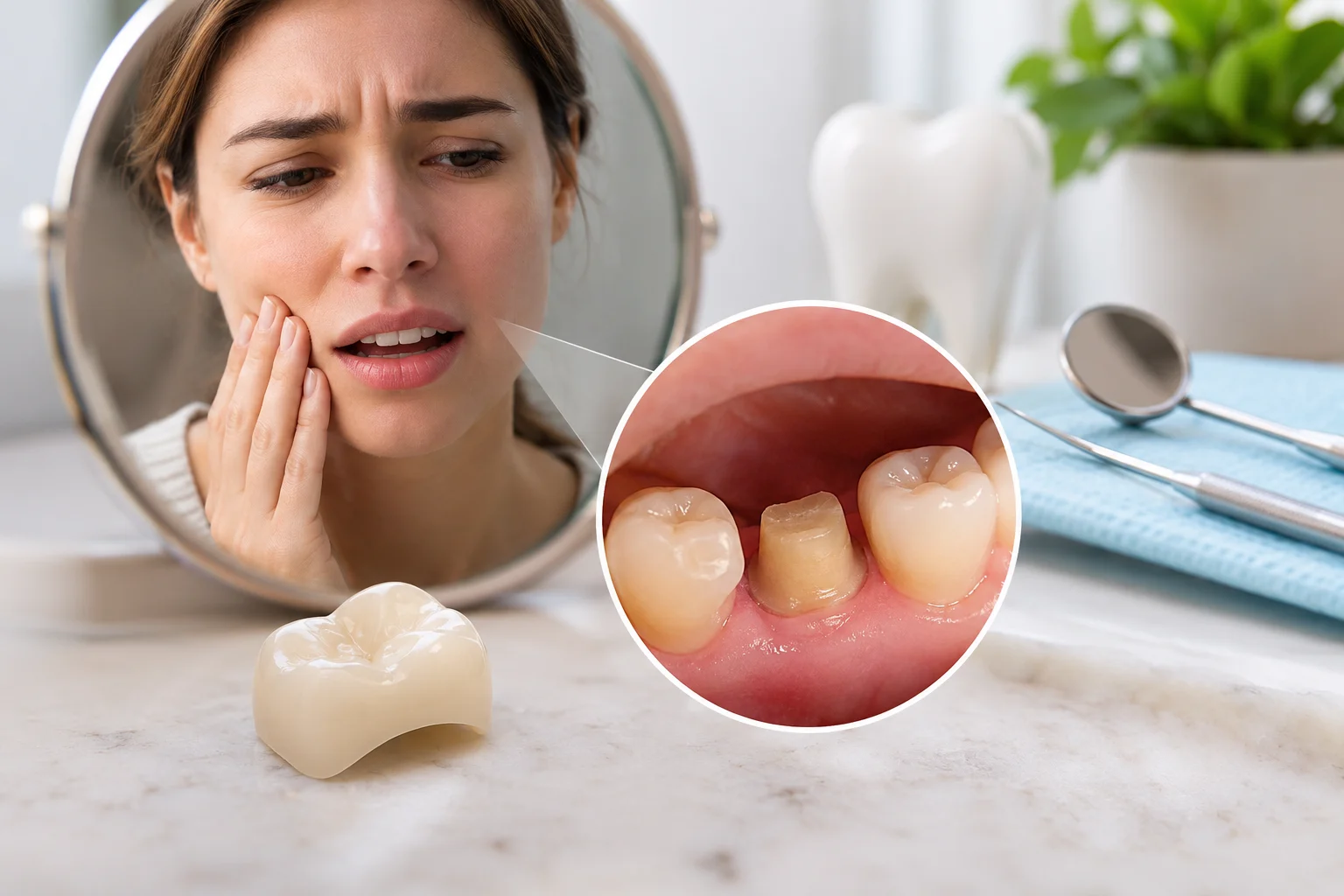
Smaller fillings last longer. A small filling is surrounded by plenty of healthy tooth that supports it. A very large one replaces a big chunk of the tooth, so it takes more strain and has more edge where things can go wrong. When a tooth has lost a lot of structure, a crown may be the better answer, and our guide on when a dental crown is recommended explains how we decide.
Where it sits in your mouth
Back teeth take far more biting force than front teeth, so a filling in a molar has a harder life than one in a premolar or a front tooth. Position also affects how easy it is to keep the area dry and clean during placement, which matters because white fillings need a dry tooth to bond well. The Bristol guidance notes that composites can be less suitable when a tooth is hard to keep dry, when the cavity reaches under the gum or when it is very large.
How skilfully it was placed
This one is easy to overlook. A filling that is bonded carefully, shaped to fit your bite and polished well will outlast one that was rushed. Our page notes that white fillings can be as robust as metal when placed skilfully, and we take that seriously.
Grinding and clenching
Constant pressure causes tiny cracks and chips at the edge of a filling. If you wake with a tight jaw or headaches, our guide on clenching and grinding explains the signs and what we can do to protect your teeth and your fillings.
Cleaning and sugar
A filling cannot decay, but the tooth around it can. Decay that starts at the edge is one of the main reasons fillings need replacing. Brushing twice a day with fluoride toothpaste, cleaning between your teeth and keeping sugary food and drink to mealtimes all lower the risk.
Check ups
Fillings wear quietly. Small chips, rough edges and tiny gaps do not hurt, but they let bacteria in. At regular check ups we can see a filling that is beginning to fail and repair it while the job is still small.
Composite against amalgam: is there a clear winner?
Silver (amalgam) fillings have a reputation for lasting longer, particularly in big back teeth, and some sources put amalgam at up to 20 years if the teeth are well cared for. Other dental practices say that when a white filling is placed correctly, it can be expected to last about as long. Both can be true. Amalgam is very hard wearing and forgiving, while composite depends more heavily on careful technique and a dry working area.
For most people the question is less about which lasts longest and more about which suits the tooth. White fillings keep more of your natural tooth, match its colour and do not contain metal, which is why they are the usual choice at Meliora Dental. If you have older silver fillings, we can tell you whether they are worth replacing, and we will not suggest it just for the look of it.
Fillings and bonding use the same material but do different jobs
People sometimes mix these up because both use composite resin. A filling repairs a tooth that has decayed or been damaged. Composite bonding reshapes or improves the look of a tooth that is basically healthy, for example to close a gap or fix a chip. They are different treatments with different lifespans. If it is bonding you have in mind, our article on how long composite bonding lasts covers that in full.
How to tell a filling is reaching the end
Look and feel for any of these:
- A rough or pitted surface, or a sharp edge your tongue keeps finding
- A chip or crack in the filling
- Staining or a dark line around the edge
- Food that keeps catching in the same spot
- Sensitivity to hot, cold or sweet that keeps coming back
- Pain when you bite
Some sensitivity right after a new filling is normal. The University of Bristol patient information says it should not last more than two weeks, and if it does you should go back to the dentist who placed it. Sensitivity that appears out of nowhere years later is a different matter, and our guide on tooth sensitivity explains the common causes. If a filling has broken or part of the tooth has gone with it, read about what to do with a chipped or broken tooth and call us.
The case for replacing early
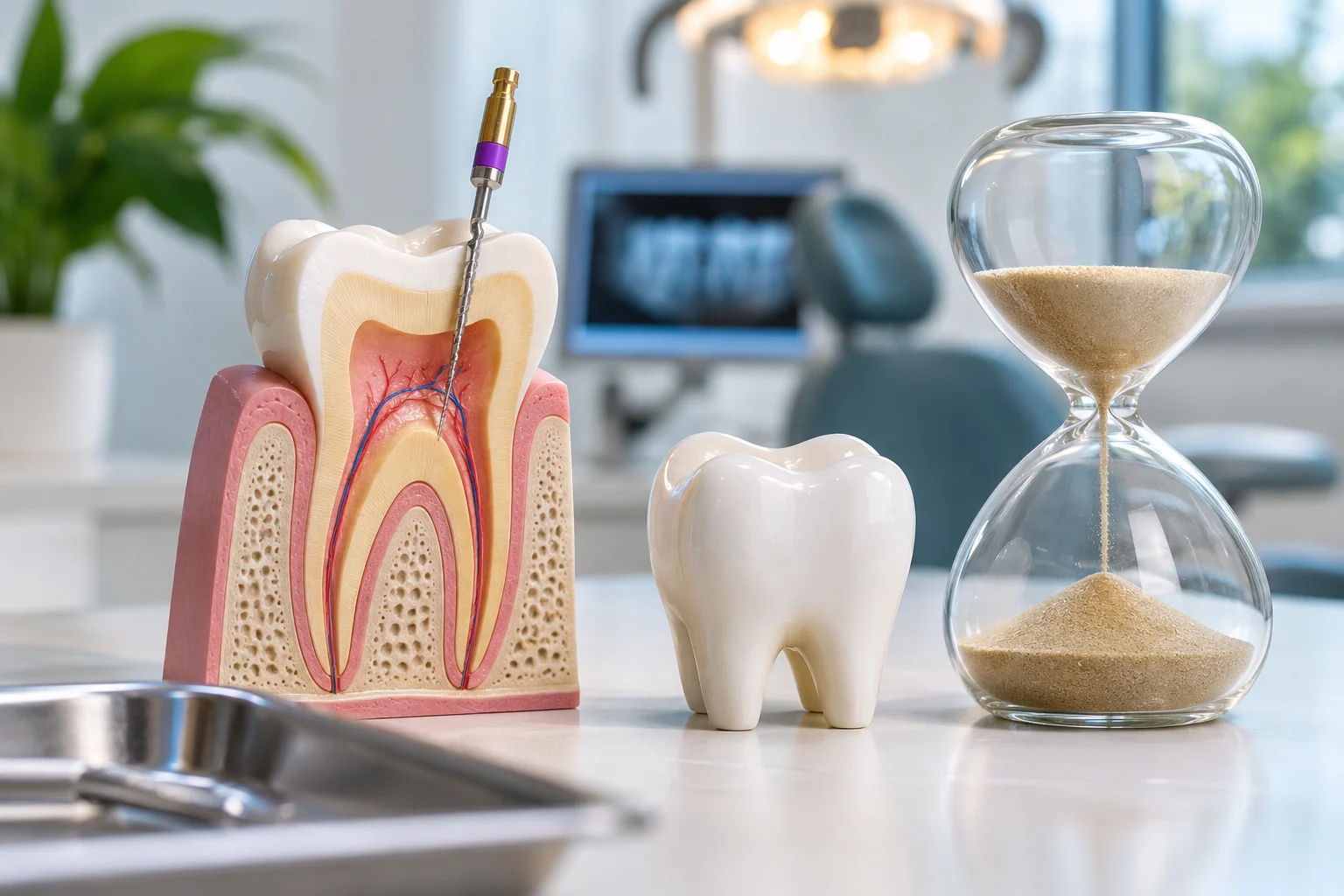
A worn filling can let bacteria seep underneath it. Decay then grows where nobody can see it, and by the time it hurts, the tooth may need a bigger repair, such as a crown or root canal treatment. Replacing a failing filling early is usually quicker, simpler and kinder to the tooth.
Everyday habits that protect your fillings
- Brush twice a day for two minutes with fluoride toothpaste.
- Clean between your teeth daily with floss or interdental brushes.
- Do not chew ice, pen lids or fingernails.
- Wear a night guard if you grind or clench.
- Keep sugary snacks and drinks to mealtimes.
- Book a check up and let us look at your fillings.
After a new filling, wait until the numbness has fully gone before eating, and avoid hot drinks in the meantime, so you do not bite your cheek or burn your mouth without feeling it. That can take a few hours.
White fillings at Meliora Dental in Harehills
If a tooth is aching, a filling has gone rough, or you want to know whether your old silver fillings are due for a change, we are happy to take a look. Appointments for a white filling typically take 30 to 60 minutes. Call us on 0113 249 0795 or book online, and we will plan the right treatment with you.
You will find us at 313A Roundhay Road, Harehills, Leeds LS8 4HT.
White fillings: your questions answered
Do white fillings need replacing?
Eventually, most do. Fillings wear and can chip or leak, and decay can start at the edge. Your dentist checks them at each visit and tells you when one needs attention.
Can a white filling fall out?
It can. This happens when the bond weakens, the tooth around it breaks, or decay develops underneath. If a filling comes out, keep the area clean, avoid chewing on it, and call us so we can protect the tooth and replace it.
Are white fillings as strong as silver ones?
When they are placed carefully, they can be very robust, and they are suitable for most teeth. Silver fillings can be more forgiving in very large back teeth, and we will say so if a different option suits your tooth better.
Do white fillings stain?
The surface can pick up some colour over time, particularly from tea, coffee, red wine and smoking, and the edges can show a line as a filling ages. A polish at your hygiene visit helps, and staining at the edge can be a sign worth looking at.
How do I know if my filling needs replacing?
Rough edges, chips, staining at the margin, food trapping and returning sensitivity are all signs. Often you cannot tell, which is why regular check ups matter.