


.svg)


.svg)


If you have ever been told by a dentist that you need a crown, your first thought might have been about the cost, the time, or even what on earth a crown actually is. We get it. Modern dentistry is full of terms that can feel a bit clinical, but the truth behind a dental crown is actually quite simple. It is all about saving a tooth that is under a bit of pressure.
At Meliora Dental, we believe that keeping your natural teeth for as long as possible is always the best goal. Sometimes, a simple filling just is not enough to get the job done. That is where a crown comes in. It is essentially a custom-made jacket that sits over your existing tooth, giving it a second lease on life.
But how do you know if you actually need one? Whether you have a nagging ache when you bite down or a tooth that has seen better days, this guide will help you understand when it is time to consider a crown.
What Exactly Is a Dental Crown?
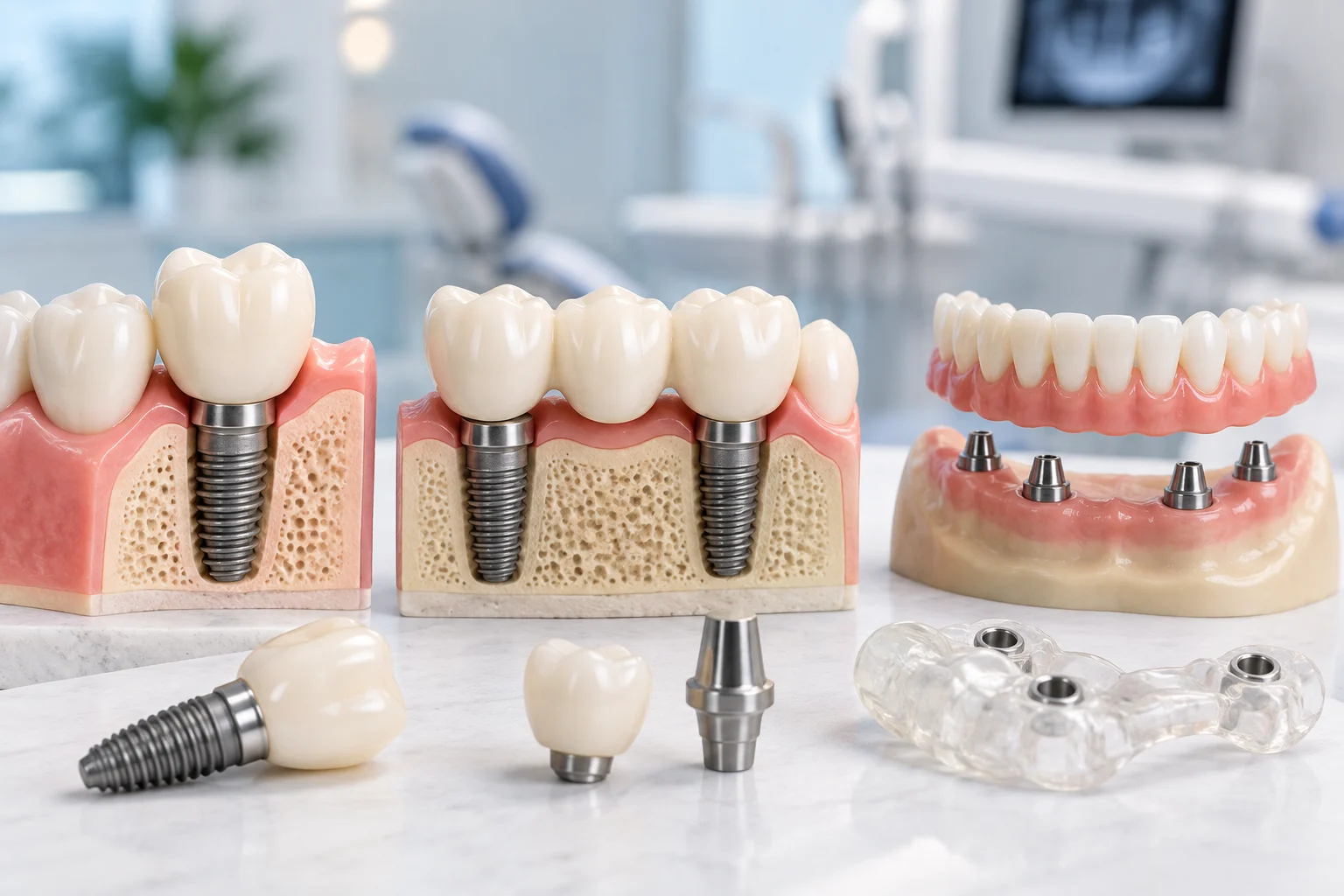
Think of a crown as a protective suit of armour. While a filling goes inside a hole in your tooth, a crown fits over the entire visible part of the tooth. It is designed to look, feel, and chew exactly like your original tooth, but with a lot more strength.
Back in the day, crowns were famous for being obvious or having that tell-tale grey line at the gum. Thankfully, dental technology has moved on. Most of our patients in Leeds choose porcelain or ceramic crowns because they blend in so perfectly that even you will probably forget which tooth is the crown after a few weeks.
When Does a Dentist Suggest a Crown?
A crown is rarely the first port of call. We usually suggest one when a tooth has been through the wars and needs more than just a quick patch-up. Here are the most common situations we see at the clinic.
The Filling Is Just Too Big
We see this a lot. You might have an old silver filling that has been there for decades. Over time, that filling can act like a wedge, putting pressure on the remaining walls of your natural tooth. If the cavity or the old filling takes up more than half the width of the tooth, a new filling won't hold. A crown wraps around the tooth to keep it from snapping under the pressure of a Sunday roast.
You Have a Cracked or Weakened Tooth
Have you ever bitten into something soft and felt a sharp, zingy pain? That is often the sign of a hidden crack. Teeth are incredibly strong, but they aren't invincible. If a tooth has a hairline fracture, a crown holds it all together like a firm hug, stopping the crack from spreading and saving you from a much bigger dental emergency down the line.
Protecting a Tooth After a Root Canal
Root canal treatment is brilliant for saving an infected tooth, but it does leave the tooth a little more brittle than it used to be. Without the blood supply that used to keep the tooth hydrated, it can become prone to crumbling. Placing a crown on top is the final step in a root canal journey, ensuring the tooth stays strong for years to come.
Rebuilding Worn-Down Teeth
Many of us carry our stress in our jaws, grinding our teeth at night without even realising it. Over the years, this can wear teeth down until they are short, flat, and sensitive. Crowns are a fantastic way to restore the height of your teeth, which not only looks great but also helps your jaw joints feel a lot more comfortable.
Hiding a Stubborn Blemish
Sometimes, a tooth is healthy but just does not look the part. It might be permanently discoloured from an old injury or naturally misshapen. In these cases, we use a crown for a cosmetic boost, giving you a tooth that looks healthy, bright, and perfectly in line with the rest of your smile.
The Meliora Experience: What Happens Next?
If we decide together that a crown is the right move, you do not need to worry about a long, painful ordeal. The process is actually very calm and focused on your comfort.
Typically, it takes two visits to our Leeds dental clinic. In the first visit, we gently shape the tooth so the crown can sit flush and natural. We take digital impressions (no more messy putty) and send them to our lab. While your permanent crown is being hand-crafted, we give you a temporary one so you can keep smiling and eating.
A couple of weeks later, you come back, we check the fit, and once you are 100% happy with how it looks, we bond it in place. It is as simple as that.
Life With a Crown: How Long Will It Last?
A common worry is whether the crown will need replacing every few years. The good news is that if you look after your crown, it can easily last 10 to 15 years, and often much longer.
The secret to a long-lasting crown is not actually anything fancy. It just comes down to the basics: brushing twice a day, flossing around the base of the crown, and keeping up with your regular check-ups. The crown itself cannot decay, but the natural tooth underneath still needs you to keep it clean.
Is It Time to Protect Your Smile?
Deciding to get a crown is about more than just fixing a tooth. It is about making sure you can eat what you want, smile without feeling self-conscious, and avoid the pain of a broken tooth in the future.
At Meliora Dental, we take the time to explain your options without the jargon. If a crown is the best way to keep your smile healthy, we will show you why and walk you through every step of the journey.
Not sure if that tooth needs a filling or a crown? Come and have a chat with our team.
FAQs on Getting a Dental Crown
How do I know if I need a dental crown instead of a filling?
A dental crown is usually recommended when a tooth is too damaged or weakened for a filling to provide long-term support. Large cavities, extensive old fillings, cracks, or teeth that have undergone root canal treatment are common reasons for needing a crown. Your dentist will assess the remaining tooth structure before making a recommendation.
Is getting a dental crown painful?
Most patients find the procedure much more comfortable than they expect. Local anaesthetic is used to numb the area while the tooth is prepared, ensuring minimal discomfort. Some mild sensitivity may occur afterward, but this typically settles within a few days.
How long does a dental crown last?
With good oral hygiene and regular dental check-ups, a dental crown can last 10 to 15 years or even longer. Brushing twice daily, flossing around the crown, and avoiding habits like teeth grinding can help extend its lifespan. The underlying tooth also needs ongoing care to remain healthy.
Can a dental crown look like a natural tooth?
Yes, modern porcelain and ceramic crowns are designed to closely match the colour, shape, and translucency of natural teeth. They are custom-made to blend seamlessly with your smile. In most cases, other people will not be able to tell that you have a crown.
What happens if I delay getting a dental crown?
Delaying treatment can allow a weakened or cracked tooth to deteriorate further, increasing the risk of pain, infection, or complete fracture. In some cases, a tooth that could have been saved with a crown may eventually require extraction. Early treatment often prevents more complex and costly procedures later on.




.svg)


