


.svg)


.svg)


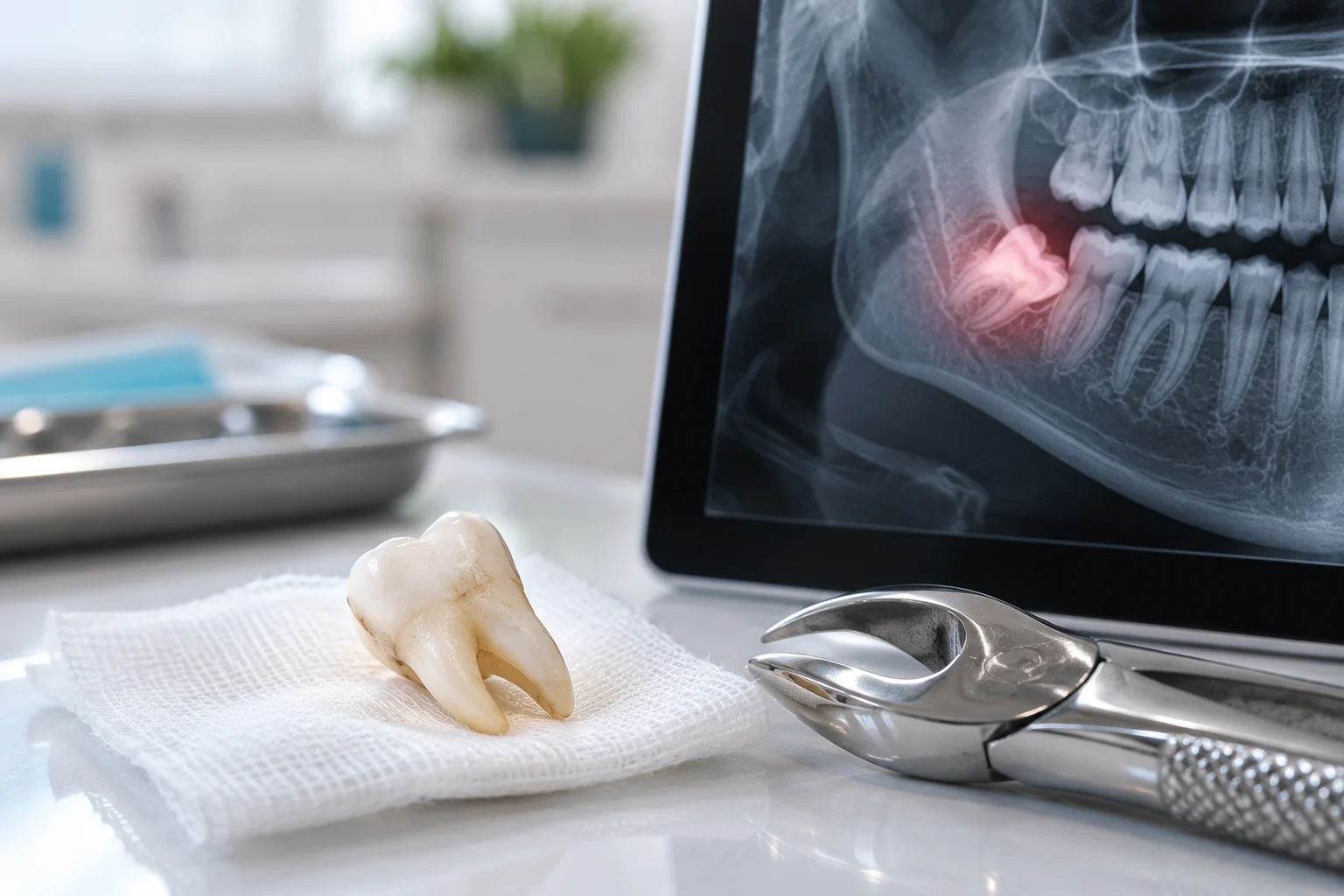


Wisdom teeth are the final set of molars to develop, usually appearing during the late teenage years or early adulthood. While some people have enough space for their wisdom teeth to grow normally, others may experience pain, swelling, infection, or difficulty cleaning around them.
Not every wisdom tooth needs to be removed. However, when a wisdom tooth becomes impacted, repeatedly causes problems, or threatens the health of nearby teeth, visiting a reputable dental practice for a thorough assessment is an essential first step.
Understanding when wisdom tooth removal may be necessary and what the procedure involves can make the experience feel much more manageable.
What Are Wisdom Teeth?
Wisdom teeth are the third molars located at the very back of the mouth. Most people have up to four, although some may develop fewer or none at all.
Because they are the last teeth to emerge, there may not always be enough room for them to grow into a healthy position. This can cause a wisdom tooth to become impacted, meaning it remains partially or completely trapped beneath the gum or against another tooth.
A wisdom tooth that has erupted normally and can be kept clean may not require removal. Your dentist can assess its position and monitor it during routine examinations.
When Might Wisdom Tooth Removal Be Recommended?
Wisdom tooth removal may be considered when the tooth is causing ongoing problems or is likely to create complications.
Common reasons include:
- Repeated pain or discomfort: Persistent pain at the back of the mouth may indicate that a wisdom tooth is causing inflammation or pressure.
- Impaction: A tooth that cannot erupt properly may become trapped beneath the gum or against the neighbouring tooth.
- Recurring infections: Partially erupted wisdom teeth can create areas where food and bacteria become trapped, increasing the risk of inflammation and infection.
- Tooth decay: Wisdom teeth can be difficult to reach and clean, making them more vulnerable to decay.
- Gum problems: Infection or inflammation around a partially erupted wisdom tooth can cause swelling and tenderness. If you are experiencing ongoing gum problems, your dentist can assess whether further treatment is needed.
- Damage to neighbouring teeth: An impacted wisdom tooth may place pressure on the tooth next to it or make cleaning between the teeth more difficult.
- Cysts or structural changes: In some cases, an impacted wisdom tooth may be associated with fluid-filled sacs (cysts) or other changes around the jawbone that require further assessment.
The decision to remove a wisdom tooth should always be based on an individual dental assessment.
What Are the Signs That a Wisdom Tooth May Be Causing Problems?
Wisdom tooth problems can develop gradually or appear suddenly. You may notice:
- Pain at the back of your mouth
- Swelling around the gum line
- Red or tender gums
- Difficulty opening your mouth fully
- Discomfort when chewing
- Food becoming trapped around the tooth
- Bad breath or an unpleasant taste in the mouth
- Sensitivity in the surrounding teeth
- Swelling affecting the cheek or jaw
If these symptoms continue or become severe, arrange a dental assessment rather than relying on pain relief alone.
What Happens Before Wisdom Tooth Removal?
Before recommending removal, your dentist will examine your mouth and assess the wisdom tooth carefully. Dental X-rays may be used to understand the tooth's exact position, its roots, and its relationship with nearby structures like nerves and adjacent teeth.
Your dentist will discuss whether removal is appropriate and explain the available treatment options. The complexity of the procedure can vary depending on whether the wisdom tooth has fully erupted, is partially impacted, or remains beneath the gum line.
You will also have the opportunity to discuss any concerns you have about the procedure, including anxiety about dental treatment.
What Happens During Wisdom Tooth Removal?
Wisdom tooth removal is usually carried out using local anaesthetic to numb the area around the tooth. This means you should not feel sharp pain during the procedure, although you may experience pressure or movement.
The exact procedure depends on the position of the tooth:
- Straightforward Extraction: A fully erupted wisdom tooth may be removed in a similar way to other standard tooth extractions.
- Surgical Extraction: If the tooth is impacted, your dentist may need to make a small incision in the gum and, where necessary, divide the tooth into smaller sections before removing it carefully.
Your dentist will explain the procedure beforehand so you know exactly what to expect.
What Is Recovery Like After Wisdom Tooth Removal?
Some soreness, swelling, or tenderness is common following wisdom tooth removal. Your dental team will provide detailed aftercare instructions to help support healing and reduce the risk of complications such as dry socket.
For the first few days, you should:
- Follow your dentist's instructions carefully regarding post-op care.
- Eat softer foods (soup, yoghurt, smoothies) if chewing is uncomfortable.
- Avoid disturbing the extraction area with your tongue or toothbrush.
- Maintain good oral hygiene while being very gentle around the healing site.
- Avoid smoking or using straws, as the suction can disturb clot formation and interfere with healing.
- Take recommended pain relief as advised.
- Attend any follow-up appointments if required.
Recovery varies from person to person and can depend on how complex the extraction was.
When Should You Seek Urgent Dental Advice?
Although some discomfort after wisdom tooth removal is expected, certain symptoms require prompt professional advice.
Contact your dentist immediately if you experience:
- Significant or worsening swelling after 3 days
- Severe pain that does not improve with medication
- Persistent or heavy bleeding
- Fever or signs of systemic infection
- Difficulty swallowing or breathing (seek emergency medical attention immediately if breathing/swallowing is impaired)
If you experience symptoms that require urgent dental advice, contact your dental practice promptly rather than delaying assessment.
Can Wisdom Teeth Be Left Alone?
Yes. Wisdom teeth do not automatically need to be removed simply because they have erupted.
If a wisdom tooth is healthy, positioned correctly, functioning normally in your bite, and can be kept clean through daily brushing and flossing, your dentist may recommend monitoring it rather than removing it.
Regular dental examinations are important because problems can sometimes develop without obvious symptoms. Your dentist can monitor the wisdom tooth and surrounding teeth over time and recommend treatment only if its condition changes.
Why Early Assessment Matters
Waiting until a wisdom tooth becomes severely painful is not always the best approach. A proactive dental examination can identify potential issues such as impaction, decay, or localized inflammation before they become more complicated.
Early assessment also gives you time to understand your treatment options calmly and discuss any concerns you may have about removal. If you are experiencing recurring discomfort at the back of your mouth, don't simply assume that it will disappear on its own.
Wisdom Tooth Care at Meliora Dental
At Meliora Dental, we provide personalised dental assessments for patients experiencing wisdom tooth pain, swelling, or other concerns.
Our team can examine your wisdom teeth, assess their position using modern imaging, and discuss whether monitoring or removal may be appropriate for you. We understand that the thought of having a wisdom tooth removed can be worrying, so we take the time to explain your treatment clearly and answer any questions.
Whether you're looking for a dentist in Leeds, a dental practice near Roundhay, or a dentist near me, our team welcomes patients from Leeds, Chapel Allerton, Moortown, Meanwood, and surrounding areas.
Book your dental examination today if you're experiencing wisdom tooth pain or discomfort.
Frequently Asked Questions About Wisdom Tooth Removal
Q: Does everyone need to have their wisdom teeth removed?
A: No. Healthy wisdom teeth that are correctly positioned and easy to keep clean may not need to be removed. Your dentist can monitor them during routine examinations.
Q: How do I know if my wisdom tooth is impacted?
A: An impacted wisdom tooth may cause pain, swelling, gum inflammation, or difficulty opening your mouth, although it may sometimes cause no noticeable symptoms. A dental examination and X-ray can help determine its exact position.
Q: Is wisdom tooth removal painful?
A: Local anaesthetic is used to numb the area during the procedure, so you should not feel sharp pain while the tooth is being removed. Some soreness and swelling can occur afterwards and usually improve as the area heals.
Q: How long does it take to recover from wisdom tooth removal?
A: Recovery varies depending on the individual and the complexity of the extraction. Some people return to normal activities relatively quickly (2–3 days), while more complicated surgical removals may require up to a week for full comfort.
Q: What should I eat after wisdom tooth removal?
A: Softer, cool, or room-temperature foods are easiest to manage during early recovery (e.g., scrambled eggs, mashed potatoes, yoghurt, smooth soups). Avoid hot, spicy, or crunchy foods until the area heals.





.svg)


