


.svg)


.svg)


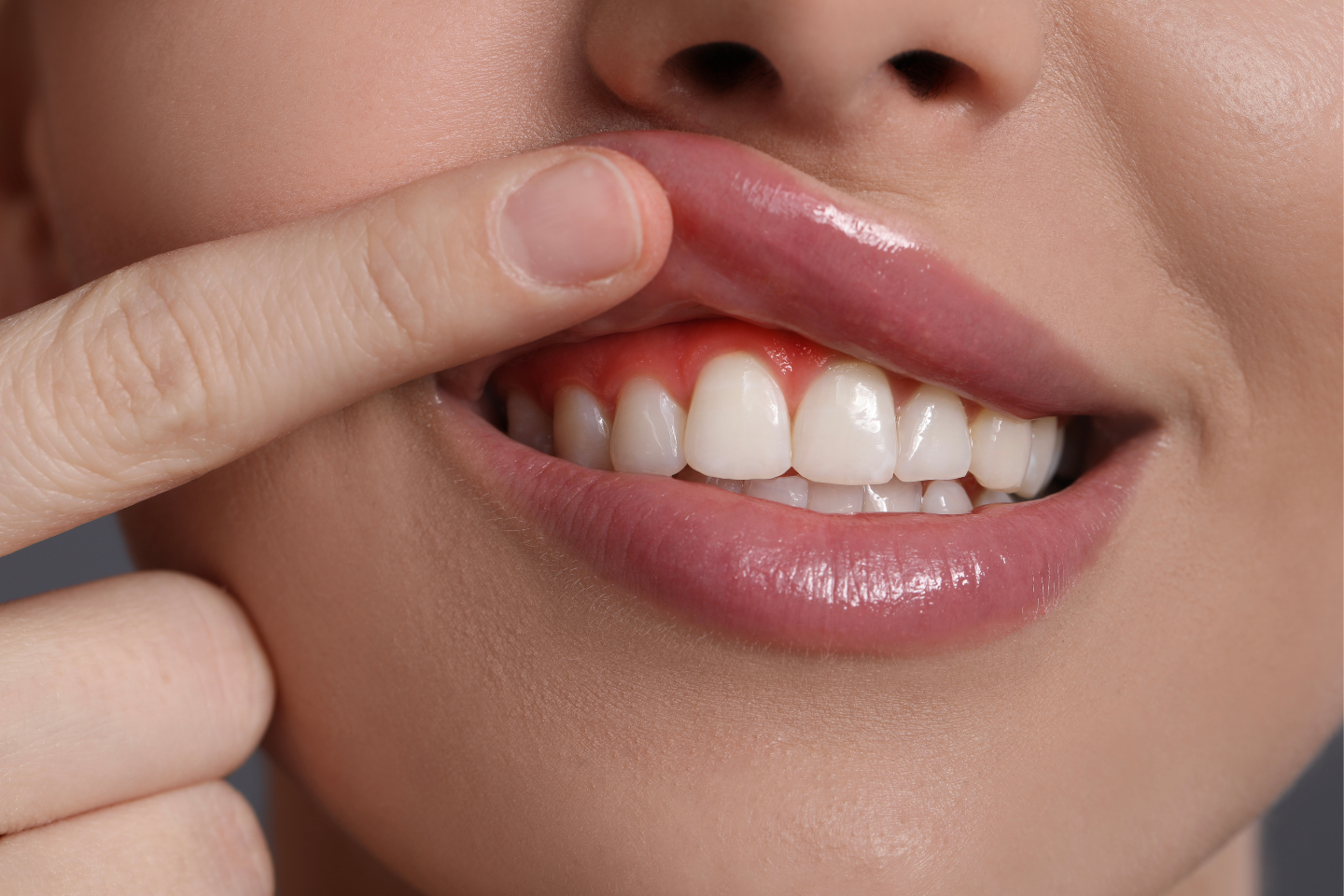


When considering a smile transformation, many patients at Meliora Dental ask a vital question: Can I get veneers if I have gum disease? Veneers are an incredible way to correct chips, gaps, or deep discolouration, but they are only as good as the foundation they sit upon. Just as you would not build a luxury home on shifting sand, you cannot successfully place porcelain veneers on gums that are inflamed or unhealthy.
Understanding the relationship between your gum health and restorative dentistry is the key to a long-lasting, beautiful result.
The Problem with Placing Veneers Over Gum Disease
Gum disease, or periodontitis, causes the gums to become inflamed, bleed, and eventually recede. If you were to place veneers while the gums are in this state, several issues would likely arise:
- Poor Fit and Aesthetics: When gums are swollen, a dentist can't get an accurate impression of your teeth. Once the inflammation goes down after the procedure, the gum line may shift, leaving a visible and unattractive gap between the veneer and the gum.
- Increased Risk of Failure: Gum disease affects the bone and tissues that hold your teeth in place. If the underlying tooth becomes loose due to bone loss, the veneer attached to it will ultimately fail.
- The Black Triangle Effect: Recession caused by gum disease can create dark gaps between the teeth. Veneers work best when the papilla (the small triangle of gum between teeth) is healthy and intact.
Healthy Gums: The Essential First Step
At our Leeds clinic, we believe in health first, aesthetics second. This does not mean you cannot ever have the smile of your dreams; it simply means we need to get your oral health back on track before we begin.
If you show signs of gingivitis (the early stage of gum disease), we will start with a comprehensive hygiene programme. This involves removing the tartar and plaque that irritate the gums, allowing the tissues to heal, become firm, and settle into their natural position. Patients who are considering cosmetic treatment often benefit from understanding the differences between dental implants and veneers when exploring their long-term smile restoration options.
Can Veneers Cause Gum Disease?
A common myth is that veneers themselves cause gum problems. In reality, high-quality porcelain veneers are biocompatible, meaning your body accepts them well. However, if veneers are poorly fitted or if a patient neglects their oral hygiene, plaque can accumulate around the edges of the restorations, leading to restoration-led gingivitis.
This is why choosing a skilled clinician and maintaining a rigorous cleaning routine is vital. Your veneers need the same, if not more, care than your natural teeth.
Maintaining Your Smile Post-Treatment
Once your gum disease is managed and your veneers are fitted, the work does not stop there. To ensure your new smile lasts for a decade or more, you must stay vigilant:
- Professional Maintenance: Regular visits to the hygienist are non-negotiable. They will use specialised equipment to keep the margins of your veneers clean without scratching the porcelain.
- Interdental Cleaning: Bacteria love to hide where the veneer meets the natural tooth. Daily flossing or using interdental brushes is the best way to prevent localised gum inflammation.
- Monitor Your Gums: If you notice redness or bleeding when brushing, it is a sign that plaque is building up. Early intervention is the best way to protect your investment. Understanding how long porcelain veneers typically last can also help you appreciate the importance of ongoing maintenance and gum care.
The Meliora Journey to a New Smile
At Meliora Dental, we take a holistic approach to your transformation. During your initial consultation, we perform a detailed periodontal screening to assess the health of your gums. If we detect signs of gum disease, we will create a bespoke stabilisation plan to get your mouth veneer ready.
Veneers are a life-changing investment, and we want to ensure yours are built to last. By treating gum disease first, we ensure that when your veneers are finally placed, they are framed by healthy, pink, and symmetrical gums for the most natural and stunning result possible.
Frequently Asked Questions on Getting Veneers with Gum Disease
Can gum disease return after I get veneers?
Yes, gum disease can return if proper oral hygiene is not maintained. Veneers protect the front surface of your teeth, but plaque and bacteria can still accumulate around the gum line. Regular brushing, flossing, and professional dental cleanings are essential to keep your gums healthy and protect your investment.
Are veneers suitable for patients who have previously been treated for gum disease?
In many cases, yes. Once gum disease has been successfully treated and your gums are stable, veneers can be a suitable cosmetic option. Your dentist will assess the health of your gums and supporting bone structure to ensure you are a good candidate before beginning treatment.
Can I get veneers if my gums bleed when I brush?
Bleeding gums are often a sign of gingivitis, which is the earliest stage of gum disease. Before veneers can be placed, the inflammation must be treated and the gums allowed to heal. Addressing gum health first helps ensure a better fit, improved aesthetics, and longer-lasting results.
Will veneers hide receding gums?
Veneers can improve the appearance of teeth affected by minor gum recession, making your smile look more balanced. However, they do not treat the underlying cause of recession. Any active gum disease must be stabilised first to prevent further tissue loss after treatment.
How long does it take to fix gum disease before getting veneers?
The timeline depends on the severity of the gum disease. Mild gingivitis may improve within a few weeks with professional cleaning and better home care. More advanced cases may require several months of treatment and monitoring before cosmetic work can begin.





.svg)


