


.svg)


.svg)


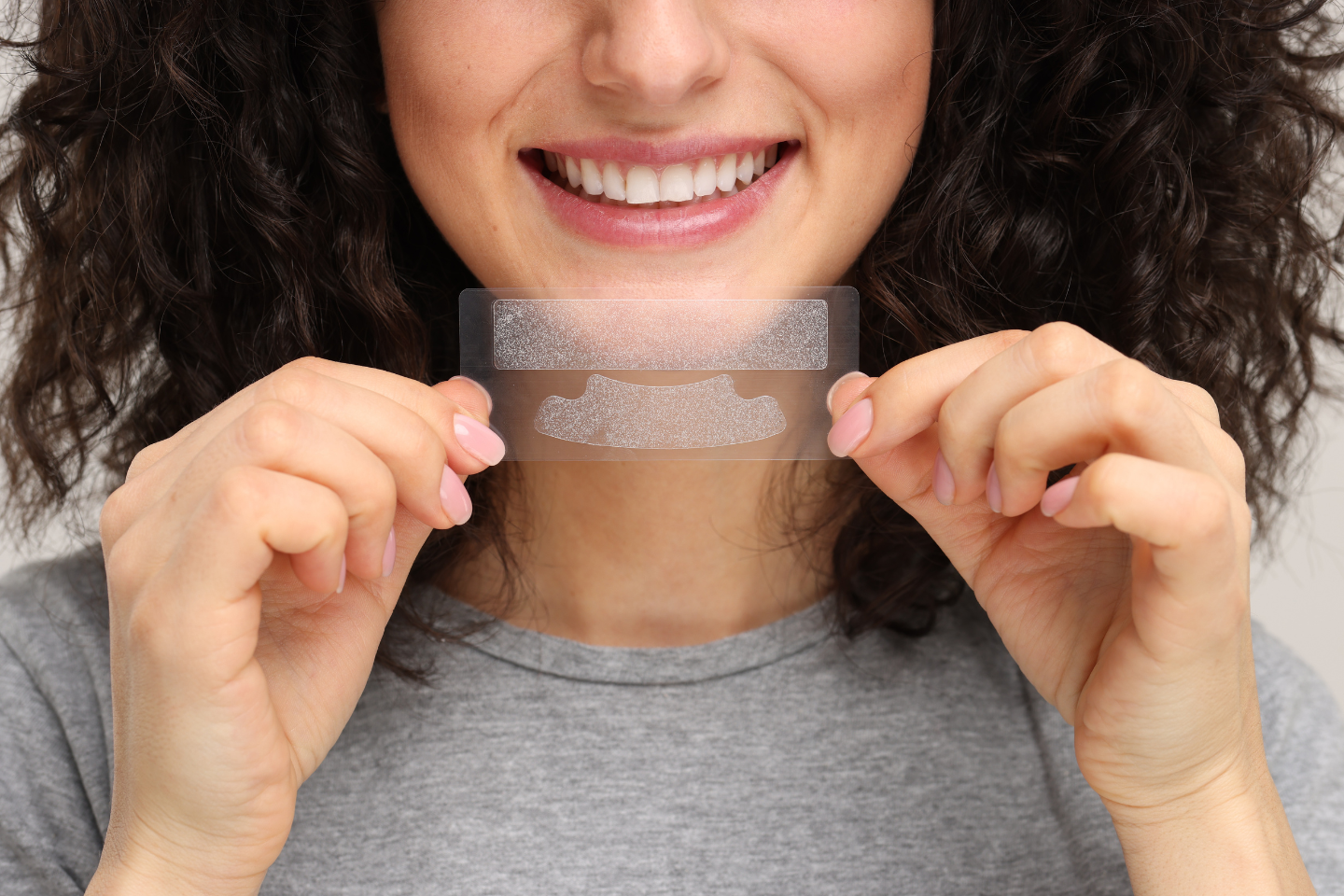


Teeth whitening has become extremely popular in recent years, and whitening strips are one of the most common ways people try to brighten their smile at home. They are inexpensive, easy to use, and widely available, which makes them appealing. But one question comes up again and again: are whitening strips bad for your teeth?
The honest answer is that whitening strips are not automatically harmful, but they can cause problems when used incorrectly, too frequently, or without proper dental guidance. This expanded guide explains how whitening strips work, the risks involved, who can safely use them, and why professional whitening is often a safer, more predictable option.
How Do Whitening Strips Work?
Most whitening strips contain either hydrogen peroxide or carbamide peroxide, which lighten the appearance of teeth by breaking down stains on the enamel. The strips are placed directly on the teeth for a set period each day, usually for one to two weeks.
However, because the strips are pre-shaped and not customised, they do not always sit flush against every surface of the tooth. This can lead to patchy results or overexposure in certain areas, especially the gums.
Are Whitening Strips Safe?
When used correctly and in moderation, whitening strips are generally considered safe for many people. Major dental organisations agree that peroxide-based whitening products can be effective when used carefully.
However, there are important caveats. The strips should never be used as a substitute for professional care, nor should they be used excessively. Overuse is the main reason people experience enamel damage or long-term sensitivity.
If you have any underlying dental issues such as decay, gum inflammation, or cracks in the enamel, whitening strips may make the problem worse. This is why dentists recommend having a check-up before using any whitening product.
Potential Risks of Whitening Strips
Although whitening strips can improve surface staining, they do come with several potential risks that you should be aware of.
1. Tooth Sensitivity
One of the most common side effects of whitening strips is temporary sensitivity. The peroxide in the strips opens microscopic pores in the enamel, which can expose the dentine layer underneath. Some people experience mild tingling, while others feel sharp discomfort.
Using the strips more often than recommended can make sensitivity worse and may even result in lasting discomfort.
2. Gum Irritation
Because whitening strips are not custom-fitted, they often overlap onto the gums. Peroxide can irritate gum tissue, causing redness, soreness, or white patches that take several days to heal.
Professional whitening avoids this problem because the whitening gel is precisely applied, and your gums are protected.
3. Uneven or Patchy Whitening
Crowded teeth, rotated teeth, and natural grooves create gaps where strips cannot make full contact. As a result, some areas whiten faster than others.
Many people report streaks or bright spots after DIY whitening, which can be difficult to correct without professional help.
4. Risk of Enamel Damage from Overuse
The biggest concern with whitening strips arises when they are used too frequently. Excessive exposure to peroxide can weaken enamel, making the teeth more vulnerable to decay and sensitivity.
Enamel does not regenerate, so this type of damage can be lasting.
5. They Do Not Work on Dental Restorations
Whitening strips do not whiten:
- veneers
- crowns
- composite fillings
- bridges
This often results in mismatched shades, especially if the front teeth have cosmetic work.
Who Should Avoid Whitening Strips?
Whitening strips are not suitable for everyone. You should avoid them if you have:
- Active gum disease
- Untreated tooth decay
- Cracked or chipped enamel
- Receding gums exposing tooth roots
- A history of severe sensitivity
- Extensive crowns or fillings on the front teeth
In these situations, whitening at home may cause more harm than good. A dentist can evaluate the health of your teeth and gums to ensure whitening is safe.
Are Whitening Strips Bad for Your Teeth Long-Term?
Used occasionally and correctly, they are generally safe. The long-term risks only arise from:
- Using strips too frequently
- Choosing high-strength products not regulated in the UK
- Applying strips to unhealthy teeth or gums
- Leaving strips on the teeth longer than the instructions recommend
The peroxide in whitening strips is powerful enough to remove stains but also strong enough to cause harm if misused.
Think of whitening strips as a short-term solution, not a regular maintenance routine.
Why Professional Whitening Is Safer
Professional whitening performed at a dental practice is far more predictable and safer than over-the-counter strips.
Here is why:
1. Your Dentist Checks Your Teeth First
Before whitening, your dentist examines the teeth and gums to ensure there are no hidden problems. This step is crucial because whitening an unhealthy tooth can lead to pain or further damage.
2. Custom Whitening Trays Fit Perfectly
Professional whitening uses custom-made trays designed specifically for your teeth. This ensures even whitening and prevents the gel from leaking onto your gums.
3. Stronger but Safer Whitening Gels
The whitening agents used by dentists are more effective and longer-lasting than shop-bought strips, yet they are applied in a controlled way to protect the enamel.
4. Longer-Lasting Results
Professional whitening tends to last far longer, often up to two years with good care. Strips usually offer shorter-term improvement.
You can read more about your professional whitening options here:
https://www.melioradental.co.uk/treatment/teeth-whitening
How to Maintain a Bright Smile Safely
Whether you choose whitening strips or professional treatment, the following habits will help keep your teeth brighter for longer:
- Brush twice daily with a fluoride toothpaste
- Limit staining drinks such as tea, coffee, and red wine
- Drink plenty of water throughout the day
- Attend regular hygiene appointments
- Avoid smoking, which stains teeth quickly
- Use a straw when drinking acidic or coloured beverages
Good oral hygiene and regular professional care will always give you the best results.
Final Thoughts
So, are whitening strips bad for your teeth? Not necessarily, but they do require careful use. When used occasionally and on healthy teeth, whitening strips can lift surface stains and lighten your smile. However, there are risks, particularly if they are overused or applied without proper dental advice.
If you want effective, predictable, and long-lasting whitening that is gentle on your enamel, professional whitening is usually the safest option. A dentist can guide you through the process and ensure the treatment is suitable for your teeth and gums.





.svg)


