


.svg)


.svg)


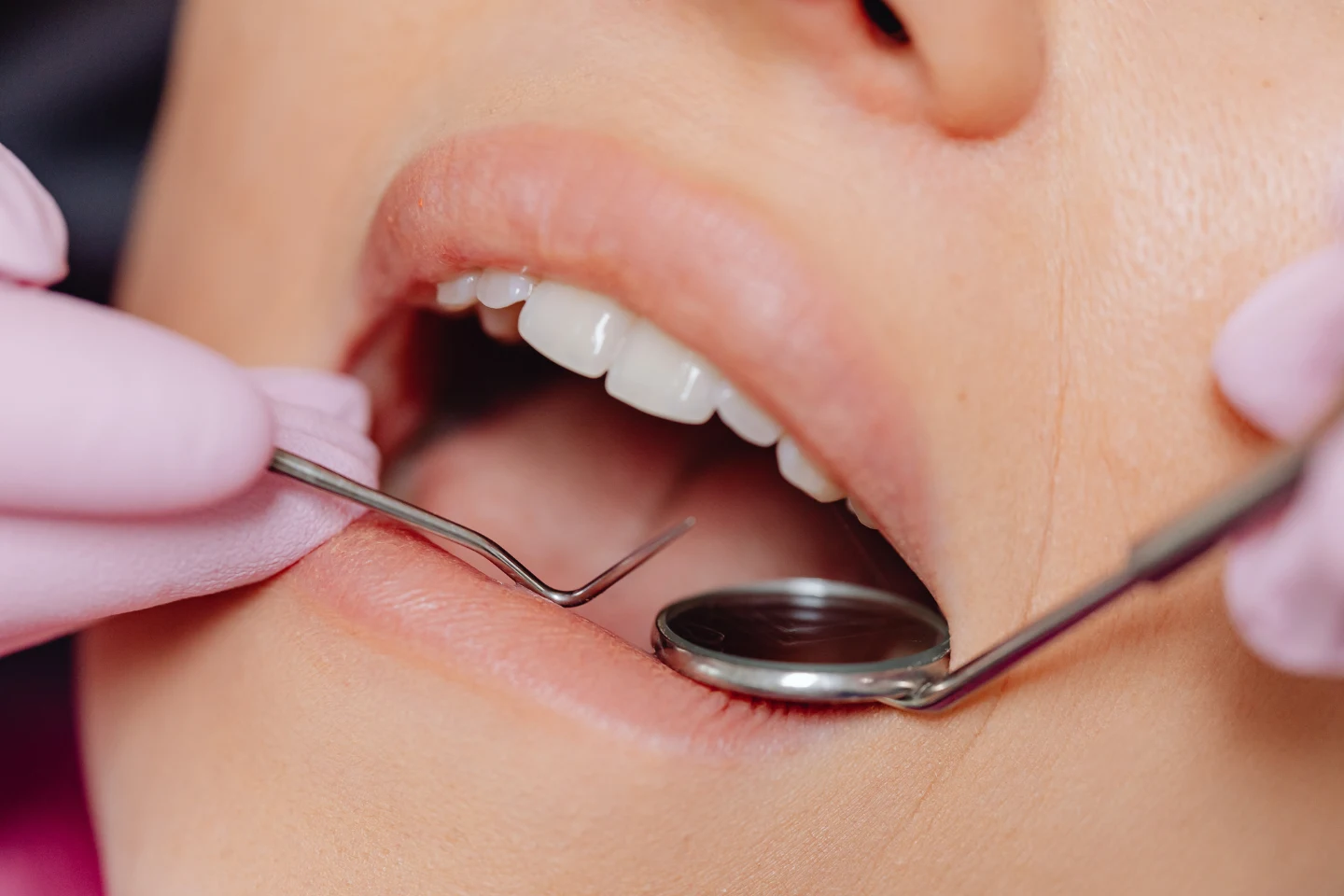


Composite bonding is one of the quickest and most affordable ways to improve the appearance of your teeth. It can fix chips, close gaps, reshape uneven edges, and enhance your smile in just one appointment. At Meliora Dental in Leeds, patients often ask one key question before booking their treatment: Does composite bonding hurt?
The simple answer is no. Composite bonding is a comfortable and minimally invasive procedure, and most patients do not experience pain at all. The treatment focuses on enhancing the surface of the tooth without removing significant tooth structure, which is why it is known for being gentle and suitable even for nervous patients.
If you are thinking about improving your smile, you can explore our composite bonding treatment in Leeds in more detail.
Below, we explain how composite bonding works, why it is usually painless, and what you can expect before, during, and after the appointment.
Why Composite Bonding Does Not Usually Hurt?
Composite bonding requires very little, if any, drilling. In most cases, the tooth is simply cleaned, lightly prepared, and then layered with tooth-coloured composite material. This material is shaped to match your natural tooth and is then set hard using a special curing light.
Because the enamel is not significantly altered, patients typically feel no discomfort. Local anaesthetic is rarely needed, although it can be used if a tooth is particularly sensitive or if minor contouring is required.
For patients who have had previous dental work or are concerned about sensitivity, Meliora Dental also offers supportive treatments to maintain comfort and gum health. You can find more information about keeping your mouth healthy before and after cosmetic treatment on our dental hygiene page.
What to Expect During Composite Bonding?
1. Consultation and Treatment Planning
Your journey begins with a consultation with Dr Kunal Rai. During this appointment, your teeth, bite, and smile goals are carefully assessed. If composite bonding is the right choice for your needs, a treatment plan will be created.
Some patients combine bonding with other aesthetic treatments, such as teeth whitening, to brighten the smile before the bonding material is matched to the new shade.
2. Minimal Preparation of the Tooth
Once treatment begins, the tooth surface is gently prepared to ensure the composite material bonds securely. This preparation is very mild and normally painless. Patients who have had fillings or crowns in the past often comment on how light and comfortable the process of bonding feels in comparison.
If any decay or structural damage is found during the examination, Dr Kunal Rai may recommend treating this first using restorations such as white fillings. This ensures the tooth is healthy and stable before cosmetic enhancements are added.
3. Application and Shaping of Composite
The dentist then applies layers of composite resin, shaping it carefully to achieve the desired contour. This stage requires precision but involves no pain. Most patients relax comfortably throughout.
The material is then hardened with a curing light. This is completely painless and takes only a few seconds.
4. Polishing and Final Results
Once the bonding has set, the tooth is polished to achieve a natural appearance. This polishing gives composite bonding its smooth, glossy finish and helps it blend seamlessly with your other teeth.
Patients are often amazed by how immediate the transformation is. Small flaws disappear, edges look smoother, and the overall smile appears more even and refined.
What About Sensitivity After Treatment
Most patients feel no sensitivity at all after composite bonding. Any mild sensation that does occur usually settles within a day or two and is comparable to the feeling after a regular dental cleaning.
To keep your bonded teeth looking their best, Meliora Dental may recommend routine hygiene visits or Airflow polishing, which gently removes staining without damaging the composite material.
Who Is Composite Bonding Suitable For?
Composite bonding is highly versatile and can be used to treat:
• Small chips and fractures
• Worn or uneven edges
• Minor gaps between teeth
• Discolouration that does not respond to whitening
• Irregular shapes or proportions
For larger structural issues or significant tooth wear, other options such as crowns and bridges may be recommended. Dr Kunal Rai will always advise you on the most suitable long-term solution.
Is Composite Bonding the Right Choice for You?
If you are looking for a treatment that is affordable, minimally invasive, and quick, composite bonding may be ideal. The fact that it is usually painless makes it an excellent option for nervous patients or those with busy schedules. To explore the procedure further, you can contact us today.






.svg)


