


.svg)


.svg)




Composite bonding has quickly become one of the most sought-after cosmetic dental treatments in Leeds and across the UK. It is easy to see why. It is a non-invasive, cost-effective, and remarkably fast way to hide imperfections, close black triangles, and create a more symmetrical, radiant smile.
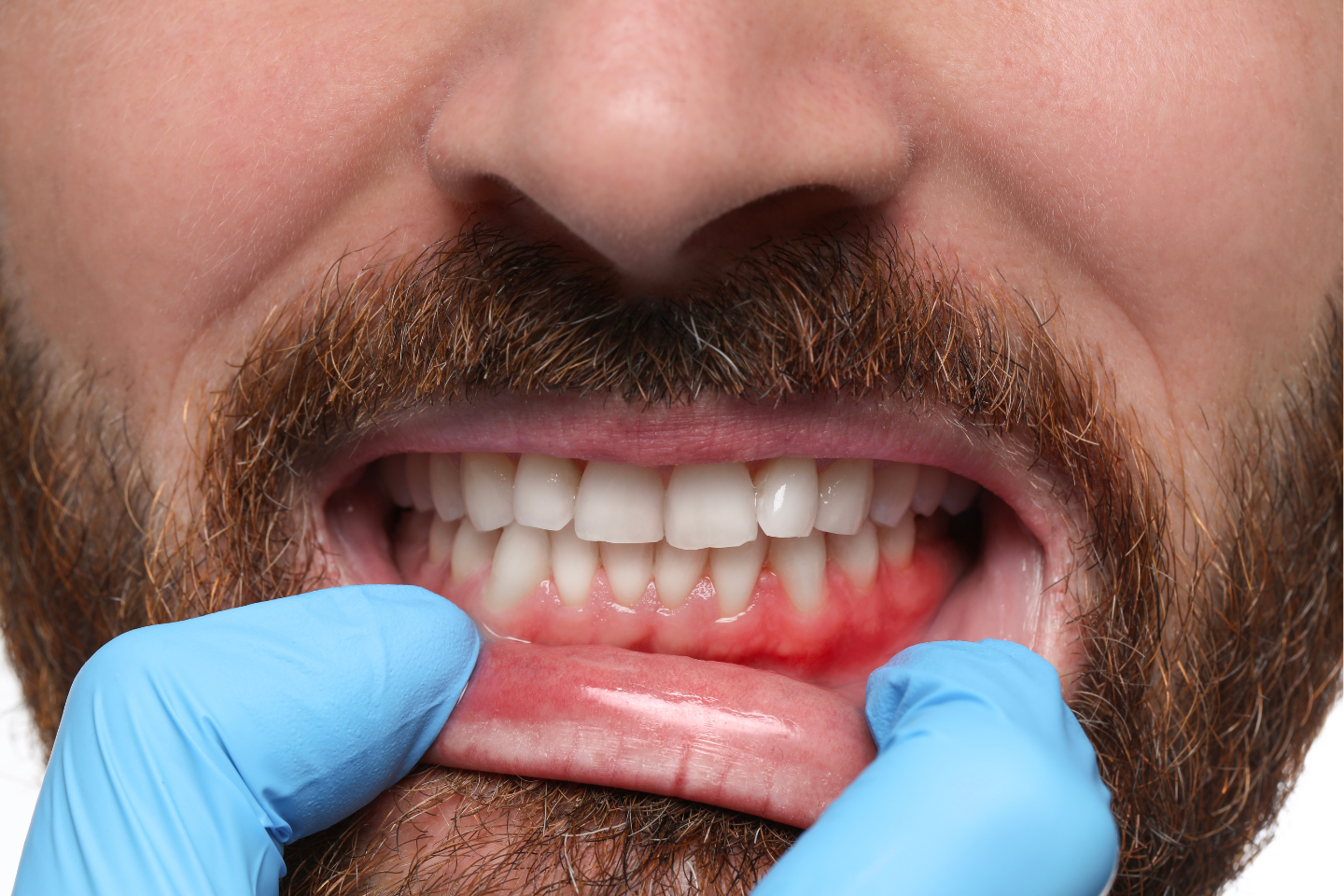
However, a common question we encounter at Meliora Dental is whether patients with existing oral health issues, specifically gum disease, can proceed with the treatment. If your gums are red, swollen, or prone to bleeding, you might be eager to cover up the issues with bonding.
The reality, however, is that your gums act as the frame for your teeth. Just as you would not put a high-end masterpiece in a rotting frame, we cannot perform composite bonding on a foundation that is not perfectly healthy. This guide explores the relationship between gum health and cosmetic dentistry and why the Health First approach is the only way to achieve a smile that lasts.
Understanding Gum Disease: More Than Just Bleeding Gums
Before we dive into the details of bonding, it is important to understand what gum disease actually is. It is essentially an inflammatory condition caused by the buildup of plaque, which is a sticky film of bacteria.
There are two main stages:
- Gingivitis: This is the early stage. You might notice blood in the sink when you brush or gums that look slightly puffy. The good news is that it is usually reversible with professional cleaning and improved flossing.
- Periodontitis: If gingivitis is ignored, it can progress to periodontitis. This is where the infection reaches the bone and tissues supporting your teeth. It can cause gums to recede and, eventually, lead to tooth loss.
If you are suffering from either of these, your mouth is essentially in a state of active infection. Applying a cosmetic resin over teeth surrounded by infected tissue is not just a bad idea for the look of the smile. It is a risk to your overall health.
Why Active Gum Disease and Bonding Do Not Mix?
You might wonder why a bit of gum inflammation matters if the bonding is only going on the tooth surface. At Meliora Dental, we follow strict clinical protocols to ensure your safety. There are four major reasons why we must resolve gum disease before starting your transformation.
The Need for a Dry Field
Composite bonding is a highly technical process. The tooth-coloured resin is bonded to the enamel using a medical-grade adhesive that is incredibly sensitive to moisture. For the bond to be successful, the tooth must be kept completely dry.
Active gum disease causes inflammation, which in turn leads to crevicular fluid and bleeding from the gum line. If even a tiny amount of blood or moisture gets under the resin during the application, the bond will fail. This leads to the material chipping or falling off shortly after you leave the clinic.
Shifting Gum Lines
When gums are diseased, they are swollen. As soon as we treat the gum disease through professional hygiene sessions and better home care, the inflammation goes down, and the gums shrink back to their healthy, natural position.
If we were to apply bonding while your gums were swollen, we would be placing the material based on a false gum line. Once your gums heal and recede to their healthy level, you will be left with a visible, unsightly gap between the bonding and the actual gum line. This defeats the purpose of the cosmetic treatment.
Accentuating the Problem
Composite resin is porous. If your gums are constantly bleeding or producing discharge due to infection, the edges of the new bonding will absorb those fluids. This leads to rapid staining and marginal discolouration, where the edges of your beautiful new teeth turn a dark brown or grey colour within weeks.
The Risk of Hiding Decay
Gum disease often goes hand-in-hand with plaque buildup in hard-to-reach places. If we bond over teeth without first performing a deep clean and health assessment, we risk trapping bacteria against the tooth. This can lead to rapid decay under the bonding, which you will not be able to see until it becomes a painful emergency.
The Meliora Path: Health First, Beauty Second
If you are currently struggling with gum disease, it does not mean you can never have composite bonding. It simply means we need to take a few preparatory steps first. We call this the stabilisation phase.
- The Comprehensive Consultation: We begin by assessing the health of your bone and gum tissue. We may take X-rays to see if the gum disease has affected the foundations of your teeth. We will be honest with you about what is possible and what needs to happen first.
- The Hygiene Journey: Most patients with gingivitis or mild periodontitis will need one or more appointments with our dental hygienist. This involves scaling and root planing, which is a deep clean that removes the hardened tartar that you cannot remove with a toothbrush. This removes the source of the infection.
- Home Care Mastery: We will work with you to refine your brushing and flossing technique. Think of this as protecting your investment. Once the bonding is eventually applied, you will need excellent habits to keep it looking fresh. Many patients are reassured when they learn more about what the treatment experience actually feels like before committing to cosmetic dentistry.
- The Green Light: Once your gums are pink, firm, and have not bled for several weeks, your foundation is ready. At this point, we can design your composite bonding with the confidence that it will stay secure and look natural.
Can Bonding Help After Gum Disease is Treated?
Interestingly, composite bonding is actually a brilliant solution for the after-effects of gum disease. Once the disease is cured, many patients are left with black triangles. These are small gaps between the teeth where the gum tissue has receded.
Composite bonding is the gold-standard treatment for closing these gaps. By carefully shaping the resin, we can fill in those triangles, making the smile look younger and more uniform while also preventing food from getting trapped in those spaces. This is one of the many reasons patients choose bonding to enhance their smile after completing their gum treatment.
Maintaining Your Bonding and Gum Health
Once your bonding is in place, your commitment to gum health does not end. Composite resin requires a bit of care to stay in top shape.
- Avoid Stain-Heavy Habits: While your gums are healthy, the resin can still pick up stains from coffee, red wine, and smoking.
- Use the Right Tools: We recommend using a soft-bristled electric toothbrush and non-abrasive toothpaste to keep the bonding polished without irritating the gum line.
- Regular Maintenance: We recommend a polish and shine appointment every six months to keep the bonding looking brand new and to ensure the gums remain healthy.
Is It Worth the Wait?
We understand that when you decide you want a new smile, you want it now. However, rushing into cosmetic work with active gum disease is a recipe for disappointment and further dental bills.
By choosing a clinic like Meliora Dental that prioritises your clinical health, you are not just getting a quick fix. You are getting a smile that is healthy, functional, and designed to last for years. Taking the time to treat your gums first ensures that when we finally apply that bonding, the result is nothing short of perfection.
Final Thoughts
So, can you have composite bonding with gum disease? In its active state, no. But with the right care and a tailored treatment plan from Meliora Dental, we can move you from unhealthy to camera-ready in a matter of weeks or months.
If you are concerned about the health of your gums but still want to explore your cosmetic options, the best first step is a professional evaluation. We can help you get your health back on track so you can enjoy the smile you deserve.
FAQs on Composite Bonding with Gum Disease
Can I get composite bonding if I have gum disease?
Composite bonding is generally not recommended while gum disease is active. Inflamed or bleeding gums can affect the bonding process and compromise the final result. Your dentist will usually recommend treating the gum disease first to create a healthy foundation for cosmetic treatment.
How long do I need to wait after treating gum disease before getting composite bonding?
The timeline depends on the severity of the gum disease and how quickly your gums heal. In many cases, dentists prefer to see healthy, stable gums with no signs of bleeding for several weeks before proceeding. This helps ensure the bonding looks natural and lasts longer.
Can composite bonding fix gaps caused by gum recession?
Yes, composite bonding is often used to improve the appearance of black triangles caused by gum recession. By carefully adding tooth-coloured resin, a dentist can reduce visible gaps and create a more balanced smile. However, the underlying gum disease must be treated first.
Will composite bonding make gum disease worse?
Properly placed composite bonding does not cause or worsen gum disease. However, if bonding is applied when gum disease is active, plaque and bacteria may continue to accumulate around the area. Good oral hygiene and regular dental visits are essential for maintaining healthy gums after treatment.
How can I keep my gums healthy after composite bonding?
Maintaining excellent oral hygiene is the key to protecting both your gums and your bonding. Brush twice daily, clean between your teeth every day, and attend regular hygiene appointments. Healthy gums help preserve the appearance and longevity of your cosmetic dental work.




.svg)


