


.svg)


.svg)


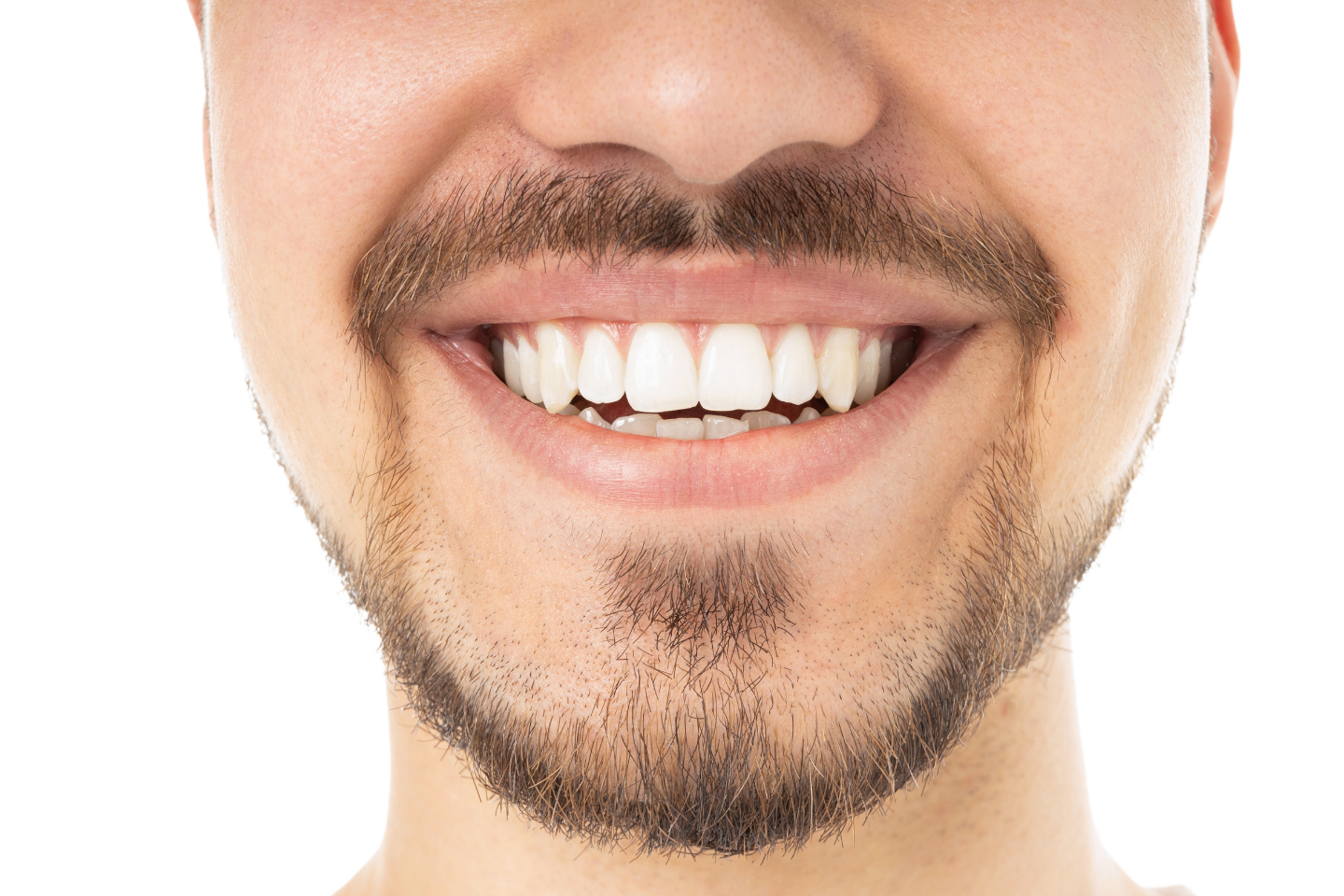


If you have slightly crooked, uneven, or overlapping teeth, you may be wondering whether composite bonding can improve your smile without the need for lengthy orthodontic treatment.
At Meliora Dental in Leeds, this is one of the most common questions we hear from patients seeking a quick, effective, and affordable cosmetic solution.
The good news? Composite bonding can often dramatically enhance the appearance of mildly crooked teeth. However, whether it is the right treatment for you depends entirely on the severity of your misalignment and your long-term oral health goals.
Understanding what composite bonding can and cannot achieve will help you make an informed decision about your smile transformation.
What Is Composite Bonding?
Composite bonding is a popular cosmetic dental treatment that uses a tooth-coloured resin material to reshape, rebuild, and enhance the appearance of your natural teeth. The material is carefully sculpted directly onto the tooth surface by a dentist, before being hardened with a specialised light and polished to blend seamlessly with your smile.
Composite bonding is commonly used to:
- Repair chipped or cracked teeth
- Close small gaps between teeth (diastemas)
- Improve overall tooth shape and symmetry
- Cover minor, stubborn discolouration
- Create the appearance of straighter teeth
Unlike porcelain veneers, composite bonding usually requires little to no removal of your natural tooth structure, making it a highly conservative and minimally invasive cosmetic option.
Can Composite Bonding Fix Crooked Teeth?
The short answer is yes, but it depends on how crooked the teeth are.
Composite bonding can successfully disguise and improve the appearance of:
- Slightly rotated teeth
- Minor overlapping teeth
- Uneven tooth lengths or positions
- Small gaps between teeth
- Teeth that appear misaligned simply due to differences in their size or shape
By strategically adding composite resin to certain areas of the teeth, a cosmetic dentist can create the illusion of a straighter, more balanced smile without physically moving the teeth.
However, it's important to remember that composite bonding does not actually reposition teeth. It simply alters their outward appearance.
When Composite Bonding Is a Good Option
Composite bonding is an excellent solution for patients with mild cosmetic concerns who want immediate improvements without undergoing months of orthodontic treatment.
You may be an ideal candidate for bonding if:
- Your bite is healthy and functional.
- The crowding, tipping, or rotation of your teeth is minor.
- You have healthy teeth and gums free from active decay or disease.
- You are looking for a fast cosmetic enhancement.
- You prefer a minimally invasive treatment that preserves your natural enamel.
Many patients choose bonding because the entire treatment can often be completed in a single appointment, offering immediate results with minimal to no discomfort. If you're interested in learning more about why patients choose composite bonding, exploring real benefits and outcomes can help you decide if it's the right option for your smile.
When Orthodontic Treatment May Be Better
While bonding can cleverly disguise mild crookedness, it isn't a magic fix for every case. If your teeth are significantly crowded, severely rotated, or causing bite problems, orthodontic treatment will provide a much safer, more predictable, and healthier long-term solution.
Conditions that generally require orthodontics rather than bonding include:
- Moderate to severe teeth crowding
- Significant tooth rotation or severe misalignment
- Bite issues (such as an overbite, underbite, or crossbite)
- Teeth that are difficult to clean effectively due to heavy overlapping
- Ongoing tooth wear or jaw pain caused by poor positioning
In these situations, treatments such as clear aligners or traditional braces are recommended to safely align the teeth before any final cosmetic enhancements are considered. At Meliora Dental, we always prioritise both aesthetics and long-term oral health when planning your smile journey.
Can Composite Bonding Be Combined with Orthodontics?
Absolutely. In fact, many patients achieve the absolute best results by combining orthodontic treatment with composite bonding.
Once your teeth have been moved into their ideal, healthy positions using clear aligners or braces, composite bonding can be used as a final "finishing touch" to:
- Refine and perfect individual tooth shapes
- Close tiny remaining spaces or black triangles near the gumline
- Improve overall smile symmetry
- Repair edges that became worn down when the teeth were crooked
- Create a flawlessly balanced smile
This combination approach delivers highly natural, beautiful, and long-lasting cosmetic results because the foundation of your smile is perfectly aligned.
The Benefits of Composite Bonding for Mildly Crooked Teeth
If you are a good candidate for the procedure, composite bonding offers several distinct advantages:
- Fast Results: Unlike orthodontic treatment, which can take months or years, composite bonding can transform your smile in just a single visit.
- Minimally Invasive: Little to no natural tooth structure needs to be drilled away, leaving your natural enamel intact.
- Cost-Effective: Composite bonding is generally much more affordable than porcelain veneers or extensive orthodontic treatment.
- Natural Appearance: Modern composite materials perfectly match the shade, texture, and translucency of your natural enamel.
- Reversible: Because the underlying tooth is left undamaged, bonding is considered a highly conservative cosmetic option.
Many people considering treatment also want to know whether composite bonding hurts, especially when making cosmetic improvements to slightly crooked teeth.
How to Care for Your Bonded Teeth
To maintain your results and protect your investment for years to come, keep these simple maintenance tips in mind:
- Brush twice daily with a fluoride toothpaste and use a soft-bristle brush.
- Floss or clean interdentally every single day to keep the margins clean.
- Attend regular dental check-ups and hygiene appointments for professional polishing.
- Avoid biting hard objects such as ice, pens, or fingernails, as the resin can chip under extreme pressure.
- Limit foods and drinks that stain, such as red wine, coffee, tea, and dark sauces, as composite material can discolor over time.
- Wear a night guard if you have a habit of grinding or clenching your teeth while you sleep.
With proper care and good oral hygiene, composite bonding can provide gorgeous results for many years.
The Meliora Approach to Smile Enhancement
At Meliora Dental, every smile makeover begins with a thorough assessment of your teeth, gums, bite, and unique cosmetic goals. If your teeth are only mildly crooked, composite bonding may provide a fast, effective, and beautiful way to achieve a straighter-looking smile without the need for braces.
Where alignment issues are more significant, our expert team can guide you through a tailored treatment plan—potentially combining clear aligners with a final touch of bonding to create the healthiest, most stable, and most dazzling foundation for your smile.
Ready to find out if composite bonding is right for you? Contact Meliora Dental Leeds today to book your cosmetic consultation.
Frequently Asked Questions on Composite Bonding for Crooked Teeth
Can composite bonding make my teeth look completely straight?
Composite bonding can significantly improve the appearance of mildly crooked teeth by reshaping them. However, because it does not physically move the teeth, it cannot achieve a perfectly straight result if you have moderate to severe misalignment.
Is composite bonding better than braces for crooked teeth?
They serve entirely different purposes. Braces and clear aligners correct the physical position and health of your teeth, while composite bonding improves their cosmetic shape and surface appearance. The best option depends entirely on your specific alignment and your ultimate goals.
Will composite bonding damage my natural teeth?
No. In the vast majority of cases, no enamel removal is required. This makes composite bonding one of the safest and most conservative cosmetic dental treatments available.




.svg)


