


HOME
General Dentistry
Cosmetic Dentistry
Dental Implants
Facial Aesthetics

teeth straightening

About US
Career
Our Team

BLOG

testimonials

Gallery

FEEs

Finance

Membership Plans

ONLINE REFERRAL

Contact


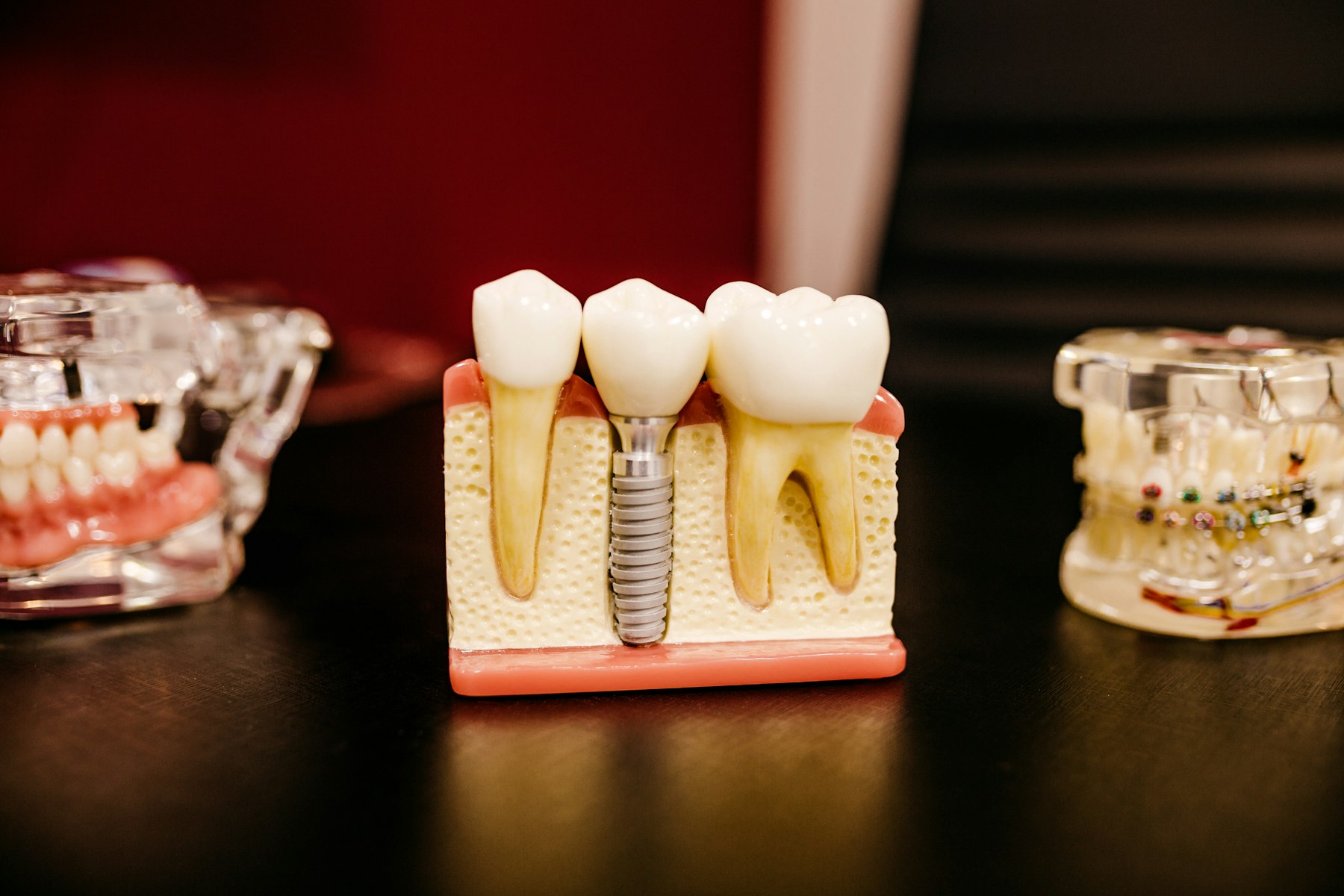
A single tooth implant replaces one missing tooth with a small titanium post set into your jawbone and a custom made crown on top. It looks and feels like a natural tooth, it doesn't lean on the teeth beside it, and with good care it can last for many years. At Meliora Dental in Leeds, a single implant with its crown starts from £3,250.
If you've lost a tooth to decay, gum disease, an accident or a failed root canal, you've probably already noticed how much a single gap changes things. Chewing shifts to the other side. A front tooth gap catches your eye in every photo. The teeth next to the space slowly begin to tilt towards it. An implant is the one option that deals with the root as well as the visible tooth, which is why many people choose it for a lone gap.
If you're missing several teeth, or a whole arch, take a look at our different types of dental implant to see which kind suits you.
What a single tooth implant is
An implant has three parts. The implant itself is a small titanium post that sits in the jawbone, in the place where your natural tooth root used to be. On top of the post goes a connector called an abutment. The crown, the part you see and bite with, attaches to the abutment.
Titanium is used because bone grows onto it. Over a few months the post becomes firmly held by the jaw, and that's the main reason an implant feels so different from a denture or a bridge. It is anchored in bone, not resting on the gum or hanging off a neighbouring tooth.
According to Leeds Teaching Hospitals NHS Trust, the bone usually takes between 2 and 6 months to bond with the implant before it's used for chewing. That waiting period is why implant treatment is planned across several visits rather than finished in one sitting.
Is a single implant right for you?
Most healthy adults with a gap from one lost tooth can be considered. Age on its own is rarely the issue. What matters more is the health of your gums, the amount of bone in the gap, and a few habits and conditions that affect healing.
- Gum health. Active gum disease needs treating before an implant goes in, because the same bacteria that damage gums can inflame the tissue around an implant. Our gum disease treatment can get the area ready.
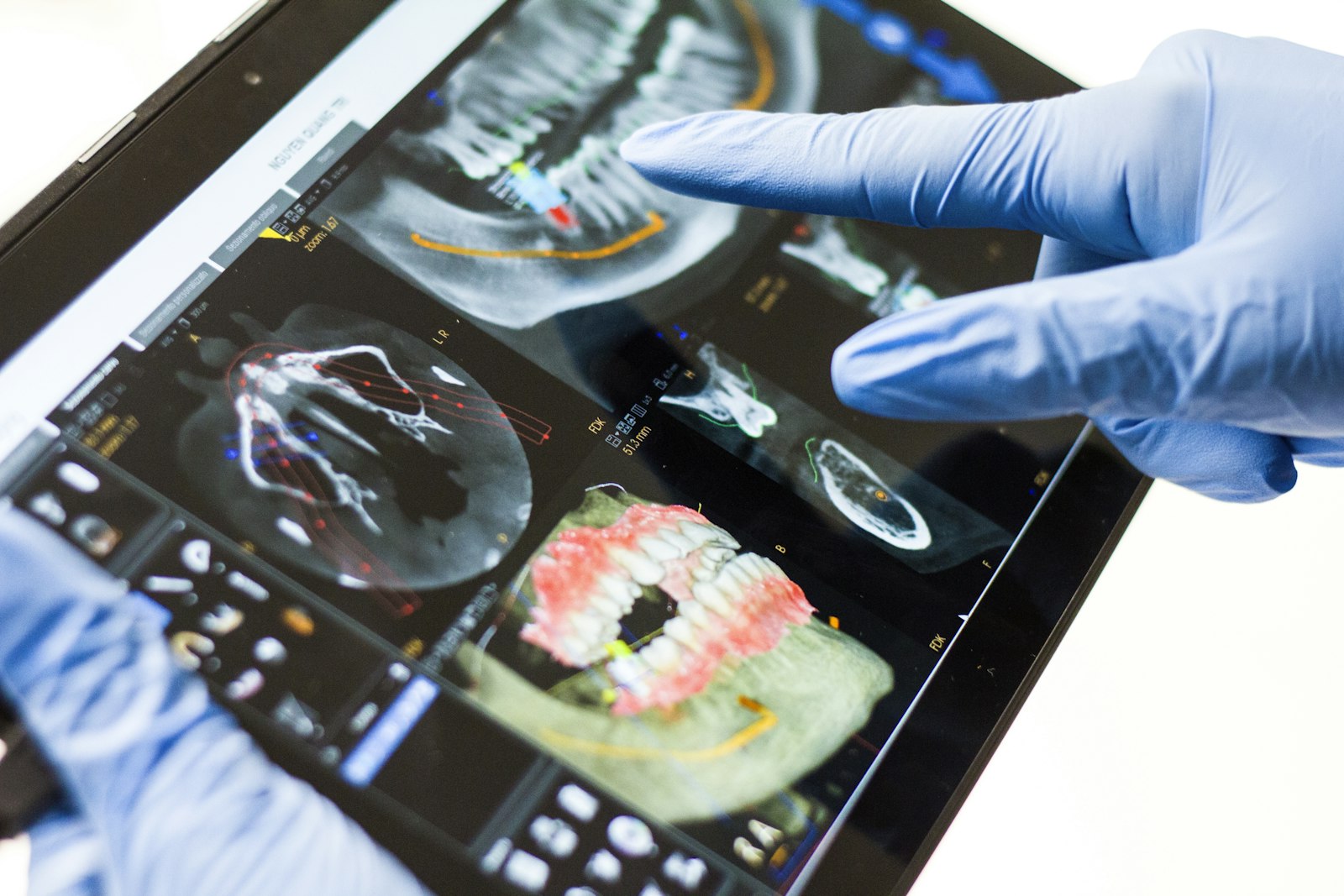
- Bone volume. A tooth that's been missing for a while often leaves thinner bone behind. We check this on a 3D scan. Where bone is limited, there are ways to rebuild it, and we'll talk through them if they apply to you.
- Smoking. It slows healing and raises the chance of problems later on. The NHS leaflet from Leeds Teaching Hospitals names smoking as a major risk factor for late implant failure. Stopping, even for the healing period, helps.
- Diabetes. Well controlled diabetes usually isn't a barrier. Poorly controlled diabetes raises the risk of implant failure, so we'd want to know how yours is managed.
- Age and growth. Implants are placed once the jaw has finished growing, which in most people is by the late teens or early twenties.
None of these automatically rules you out. A few of them simply mean we deal with something first, and we'd rather tell you that at the start than after you've paid a deposit.
Single implant, bridge or denture for one missing tooth
You've got three realistic ways to fill a single gap, and each has a fair case. Here is the short version.
Single implant
- What holds it in place: The jawbone itself
- Effect on neighbouring teeth: None. They're left untouched.
- Effect on the bone in the gap: Chewing forces pass through the implant, which helps keep the bone
Bridge
- What holds it in place: Crowns fitted on the teeth either side
- Effect on neighbouring teeth: Both teeth are reduced to take crowns
- Effect on the bone in the gap: No root, so the bone under the gap can gradually shrink
Partial denture
- What holds it in place: Rests on the gum, often with clasps on nearby teeth
- Effect on neighbouring teeth: Clasps can put extra strain on them
- Effect on the bone in the gap: No root, so the bone can gradually shrink
A bridge is often quicker and costs less to begin with, and for some people, particularly those whose neighbouring teeth already have large fillings or crowns, it makes good sense. You can read more about it on our crowns and bridges information. The compromise is that healthy teeth have to be cut down to carry it.
A removable denture is the lowest cost route and involves no surgery. It's also the one most people find least stable for everyday eating and talking. Our overview of replacing missing teeth compares all the options if you want the wider picture.
If you're missing two or more teeth side by side, a single implant for each one isn't always the sensible answer. An implant supported bridge can replace them with fewer implants.
Front tooth or back tooth: what changes
The treatment follows the same steps, but the priorities are different depending on where the gap is.
At the front, looks come first. The shape of the gum around the crown, the exact shade, and the way the tooth sits against its neighbours all show when you smile. We plan these gaps carefully, and we think about what you'll wear while the implant heals so that you're not left with a visible space.
At the back, strength matters more. Molars take the hardest biting forces, so the crown is wider and built for load. Upper back teeth sit close to the sinus, and lower back teeth sit above a nerve that runs through the jaw. That's one of the reasons we scan before we plan: the scan shows how much safe bone there is and where to place the post.
The treatment, step by step
- Consultation and scan. We look at your teeth, gums and bite, talk about your medical history and what you want from treatment, and take a 3D scan. The scan lets us find the strongest bone and plan the position of the implant before any surgery. You'll see Dr Kunal Rai for your implant consultation, and you'll leave with a clear plan and cost.
- Preparing the area. If the tooth is still in your mouth, it may need to come out first. If gums need treatment, or bone needs building up, we do that before the implant. Not everyone needs this stage.
- Placing the implant. The post is placed in the bone under local anaesthetic, so the area is numb. If the thought of surgery makes you anxious, ask us about intravenous sedation.
- Healing. The gum heals in a week or two, and the bone bonds to the implant over the following months. You'll have review visits in between, and we'll talk you through what to wear or do about the gap while you wait.
- Fitting the crown. Once the implant is firmly held, we take impressions or digital scans and your crown is made to match your neighbouring teeth in shape and shade. Our restorations are made with our in house dental technicians. The crown is then fixed onto the abutment.
- Looking after it. We check how the implant and the gum are doing a short while after fitting, then at your regular visits.
Having an implant after an extraction
If the tooth is still there and needs to come out, you can often plan the implant at the same time. Sometimes the implant can go in on the day of the extraction. Other times it's better to let the socket heal first, usually for a few weeks to a few months, so that infection clears and the bone is ready.
Which way is better depends on the tooth. A tooth lost to a long standing infection needs a different plan from one that fractured in an accident but is otherwise healthy. We'll tell you which approach we'd choose, and why, once we've seen the X-rays and scan. Our tooth extraction service covers the removal side of this if you need it.
Pain and recovery
You won't feel the placement itself, because the area is numbed. Afterwards, expect tenderness and some swelling around the site for a few days. Most people manage this with ordinary painkillers, and we'll talk you through aftercare so you know what to expect and what to avoid.
For the first few days, stick to softer food, keep the area clean with gentle brushing and the rinse we recommend, and don't poke at the site. Many people are back at work within a day or two, though if your job is physically demanding or your treatment was more involved, it's worth taking a little longer. Ring us if the pain gets worse after the first few days rather than better, or if you notice swelling that keeps growing, a bad taste or a fever.
How long a single implant lasts and how to look after it
An implant can't decay, but the gum and bone around it can still become inflamed. That's the main reason implants fail in the long run, and it's largely preventable. Look after an implant the way you'd look after a natural tooth: brush twice a day, clean between the teeth every day, and keep up with your checkups.
Regular visits to our dental hygienist make a real difference, because plaque builds up around implants as easily as it does around natural teeth. If you grind your teeth at night, tell us. The crown can chip or loosen under heavy grinding, and a night guard protects it.
The crown itself, like any crown, can wear or chip over time and may need replacing before the implant does. That's a simple visit, and it doesn't involve surgery.
Risks, and what happens if an implant doesn't bond
Implants are a reliable treatment, but no surgery is risk free. According to Leeds Teaching Hospitals NHS Trust, around 90 in 100 implants placed ten years ago are still in place and working. Most that fail do so for one of two reasons: either the bone never bonds properly, which is uncommon and usually shows up in the first few months, or the tissue around a working implant becomes infected and loses bone later on.
Smoking, poorly controlled diabetes, past gum disease and some medicines that affect bone all raise the risk. Other possible problems include infection after surgery, a chipped crown, or, in the lower jaw, temporary numbness if the nerve is bruised. Planning with a scan is there to reduce those risks.
If an implant doesn't bond, it can be removed. The area then heals, and in many cases we can try again after a few months, or move to another option such as a bridge. You'd be told clearly what had happened and what we'd recommend next.
Cost and finance
A single implant with its implant crown starts from £3,250 at Meliora Dental. Your final price depends on your plan. If the tooth still has to be removed, or the gums or bone need work first, that is quoted separately, and we'll give you the full figure at your consultation before anything starts.
You can see our other treatment prices on the fees page. If you'd prefer to spread the cost, finance is available through Tabeo, and our team can talk you through the terms.
It's worth weighing the price against the alternatives over time. A bridge usually costs less to begin with, though it may need replacing more than once in your lifetime. An implant costs more at the start and is built to last.
Seeing the team at Meliora
Our principal dentist, Dr Kunal Rai, holds an MSc in Implant Dentistry with distinction and a diploma in oral surgery. You'll see him for your implant consultation, and he'll talk you through your scan and your plan so you know where the implant would sit and why.
We're a private practice on Roundhay Road, and we're open on Saturdays from 10am to 4pm as well as late on Wednesdays until 8pm, so the first appointment doesn't have to mean time off work.
Single tooth implant FAQs
How much does a single tooth implant cost in Leeds?
At Meliora Dental, a single implant with its crown starts from £3,250. The final figure depends on whether you need an extraction, gum treatment or work on the bone first. You'll get the full price at your consultation.
How long does a single tooth implant take?
The surgery itself is short, but the whole process takes several months. The bone needs time to bond with the implant, which the NHS in Leeds puts at 2 to 6 months, and then the crown is made and fitted. Gum or bone treatment beforehand adds to this.
Does getting a dental implant hurt?
The placement is done under local anaesthetic, so you shouldn't feel pain. Afterwards you can expect soreness and some swelling for a few days, which usually settles with ordinary painkillers. We also offer sedation if you're nervous.
Can I have a dental implant if I smoke or have diabetes?
Possibly, yes. Both raise the risk of problems, so we look at your situation case by case. Stopping smoking before and after surgery improves your chances, and diabetes that's well controlled is much less of a concern than diabetes that isn't.
Will I need a bone graft?
Not always. A 3D scan shows how much bone is in the gap. If there isn't enough, there are ways to rebuild it, and we'll explain whether that applies to you before you commit to anything.
Can I get a dental implant on the NHS?
NHS implants are limited to particular situations, such as after oral cancer or facial injury, and are usually offered in hospital. Meliora is a private practice, so we can assess and plan an implant for you here.
Book your implant consultation
If you're ready to find out whether a single tooth implant would work for you, book a consultation with us. Call 01132 490 795, or book online through the website. We'll scan, talk it through and give you a clear plan and price.


You are in good hands
Gallery
Explore real results from general, cosmetic, Invisalign, and facial aesthetic treatments at our Leeds clinic.

No items found.


